Textile and Garment Design
FARA Project
2021- …
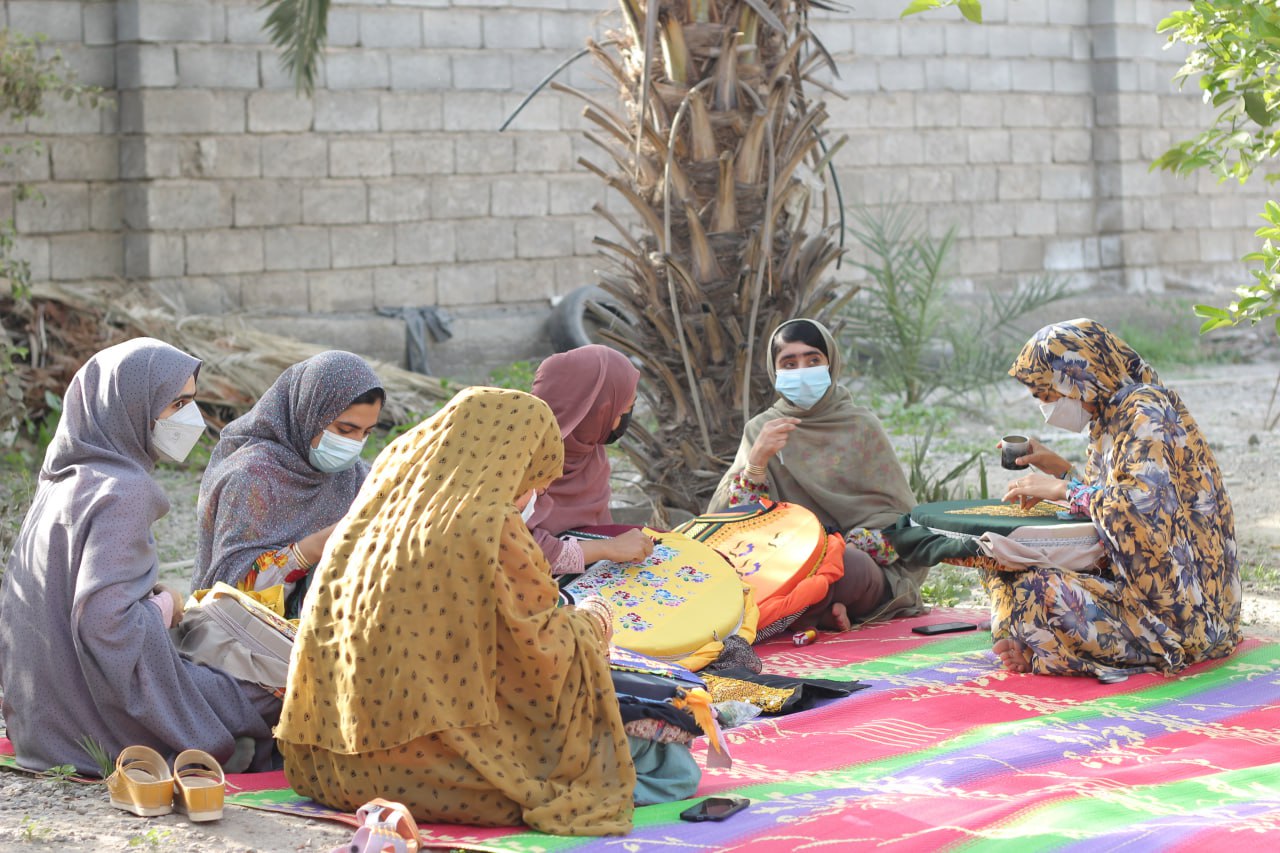
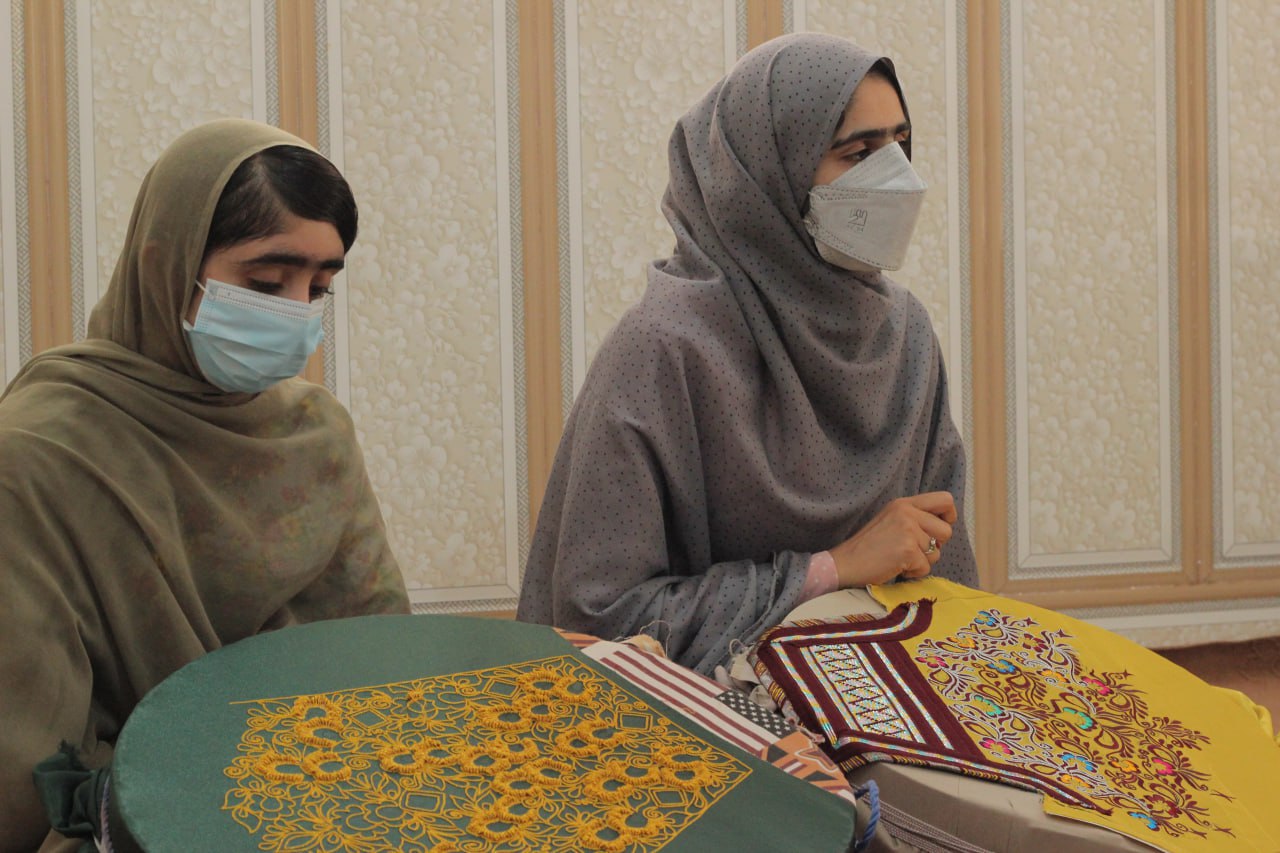
Launched in 2021, the FARA Project is a collaborative platform dedicated to empowering indigenous and local women across Iran through the revitalization of traditional handicraft techniques via contemporary dialogue and design. The project brings together women deeply rooted in regional craft practices and creates spaces for workshops, training, and collective creative processes that honor cultural heritage while allowing it to evolve.
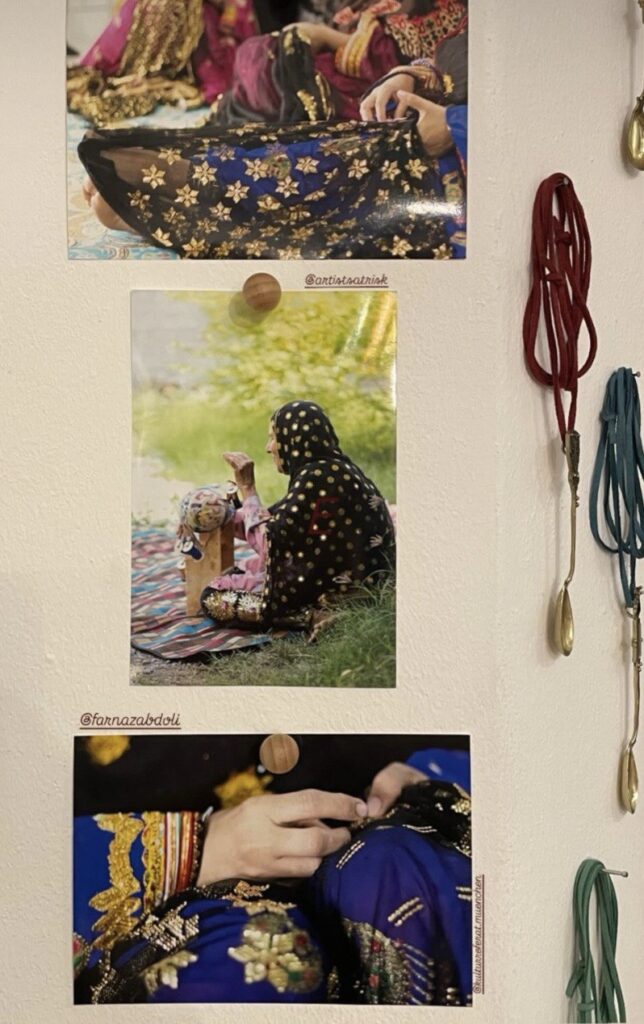
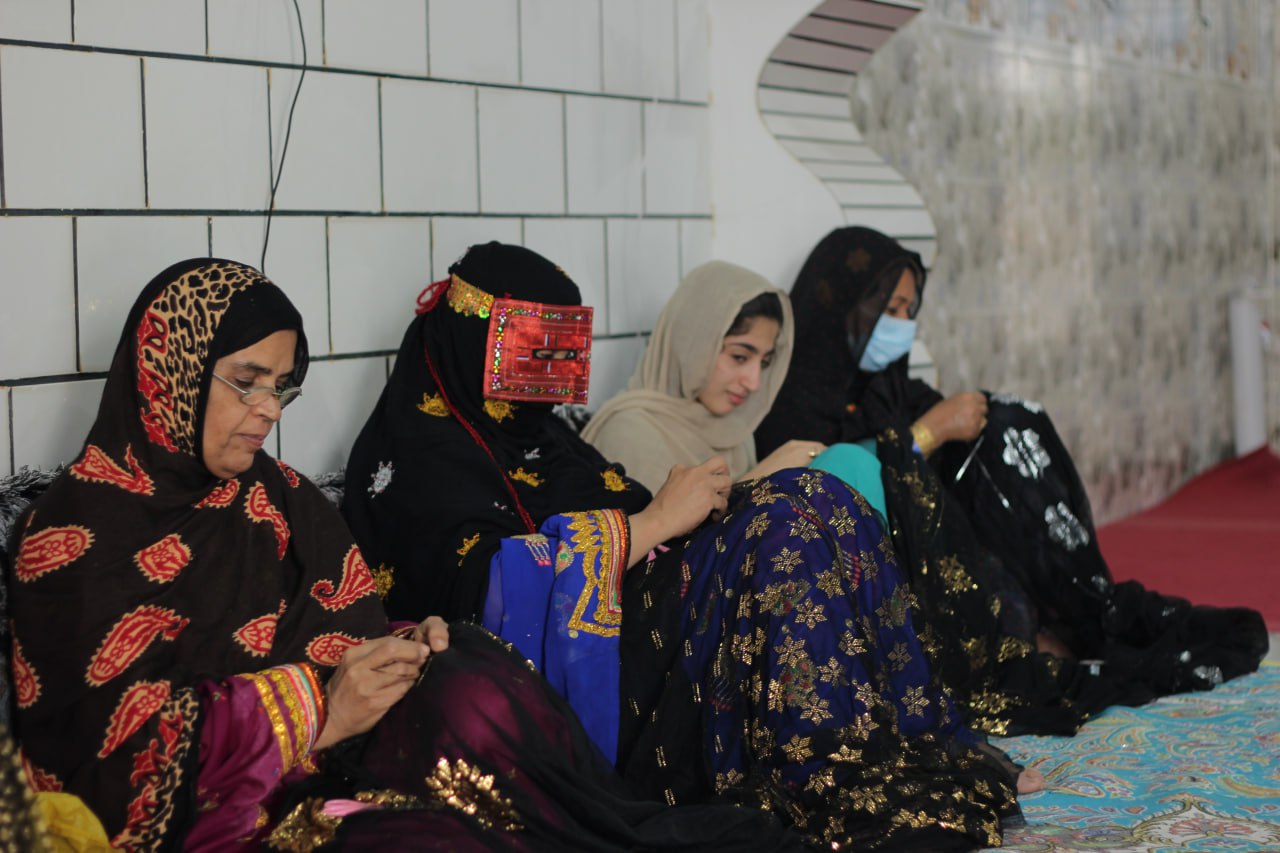
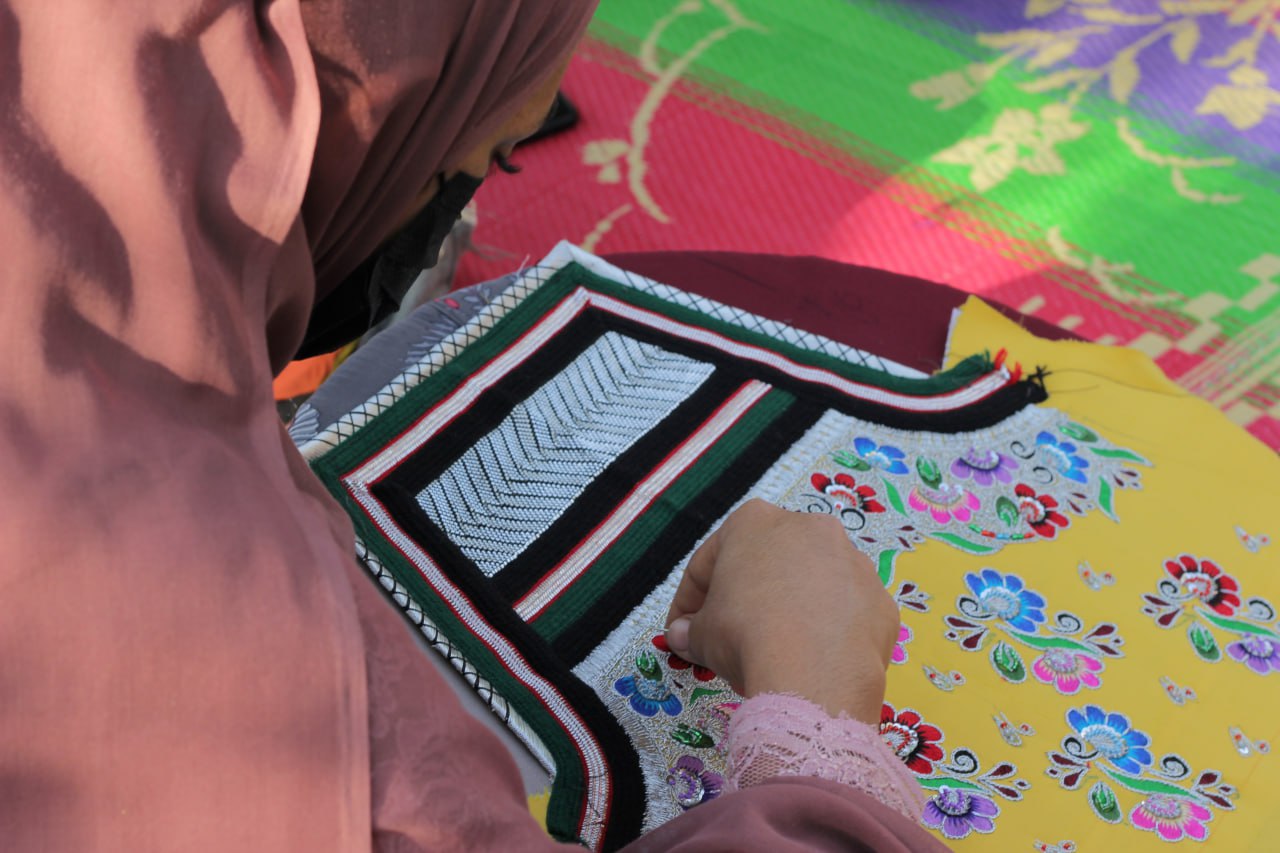
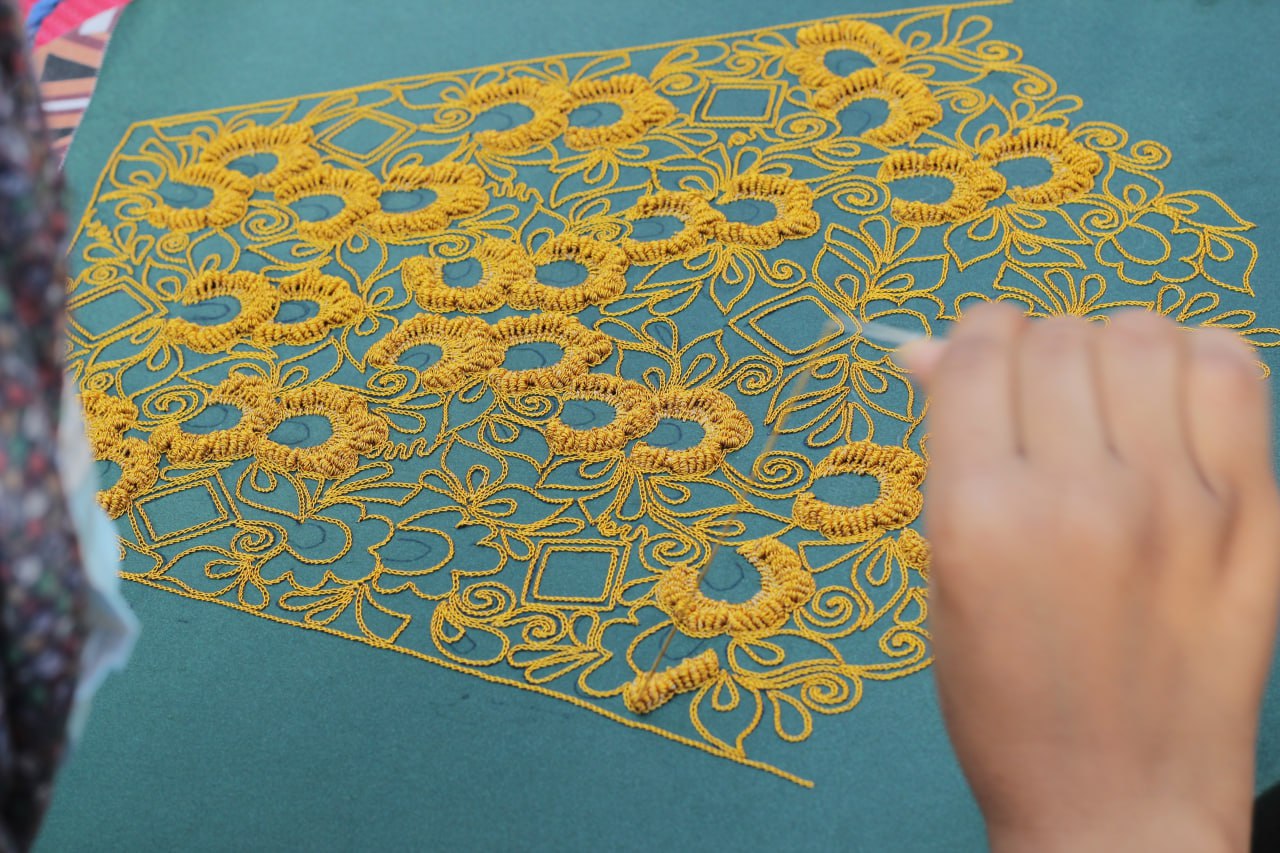
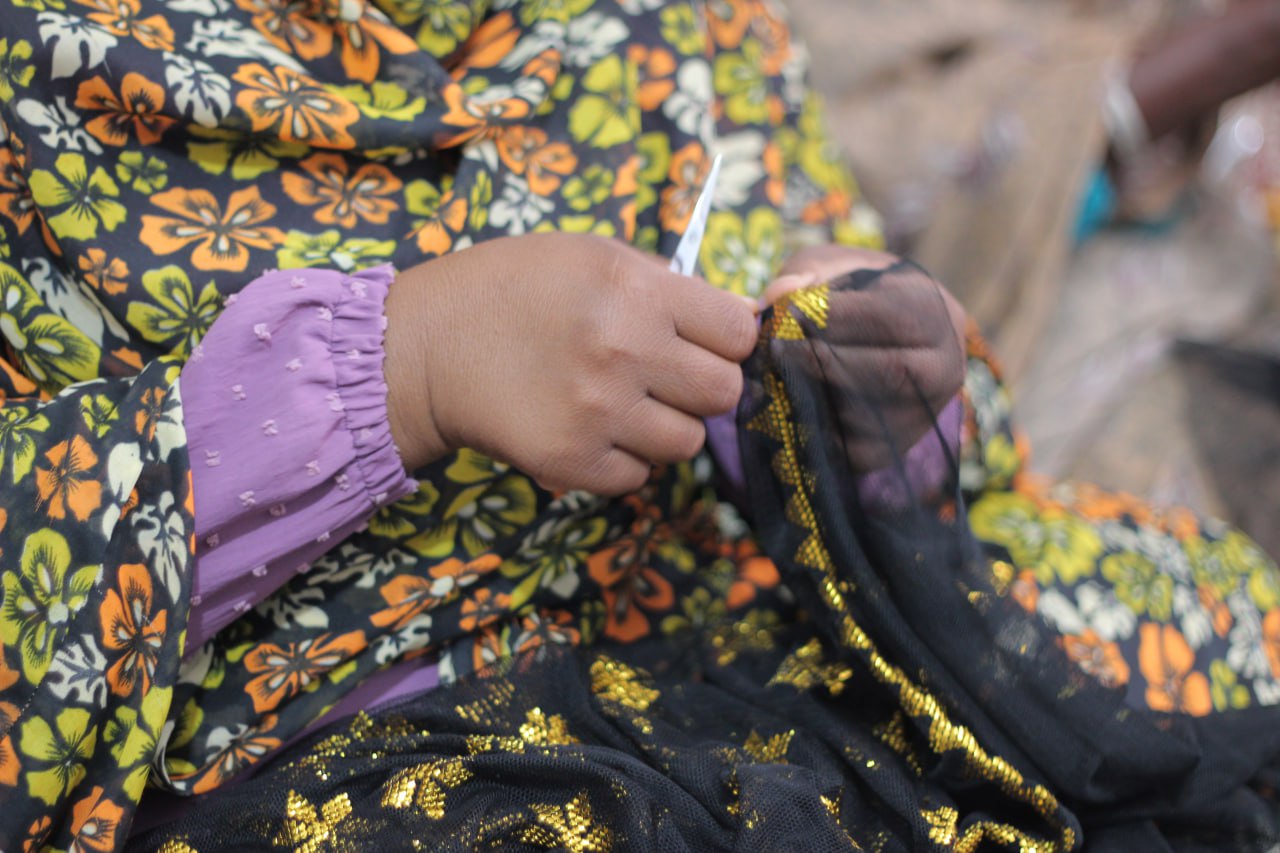
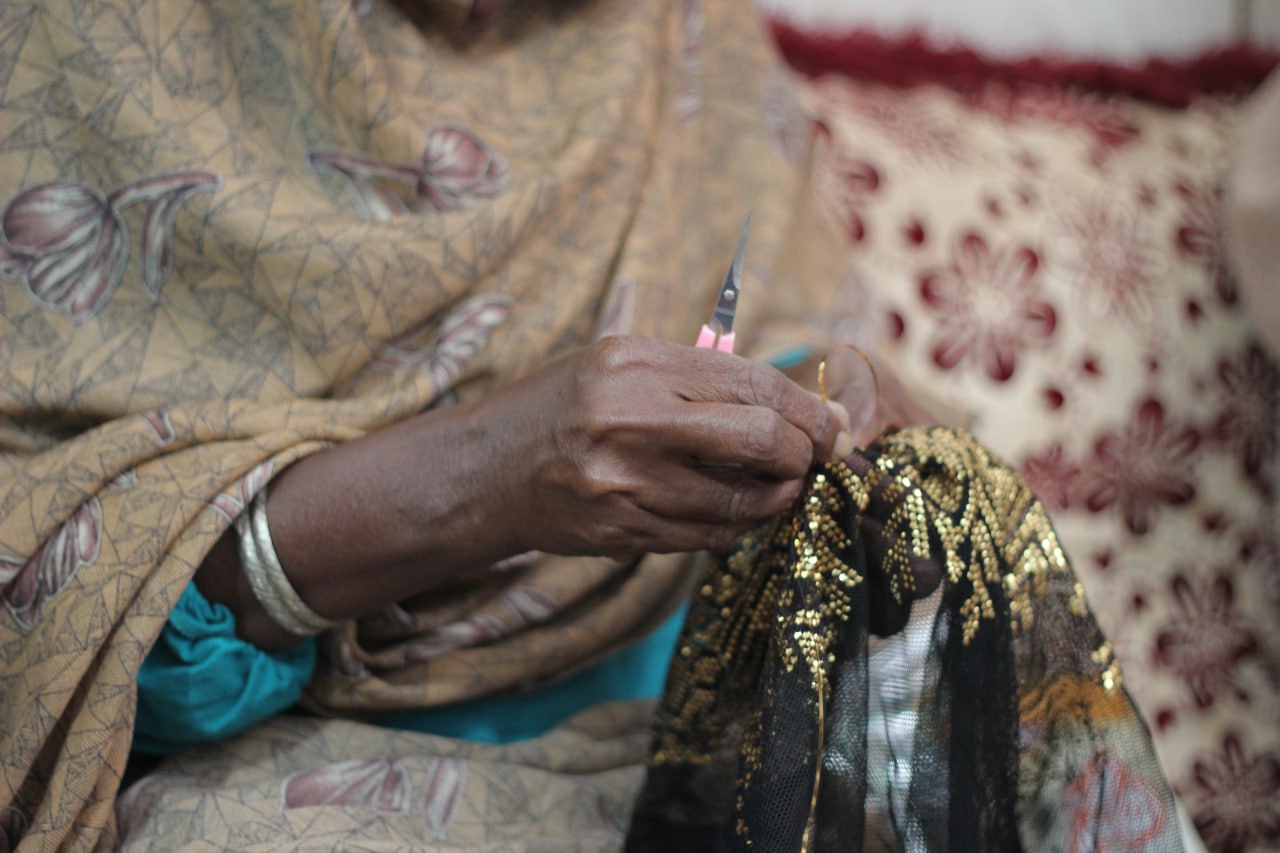
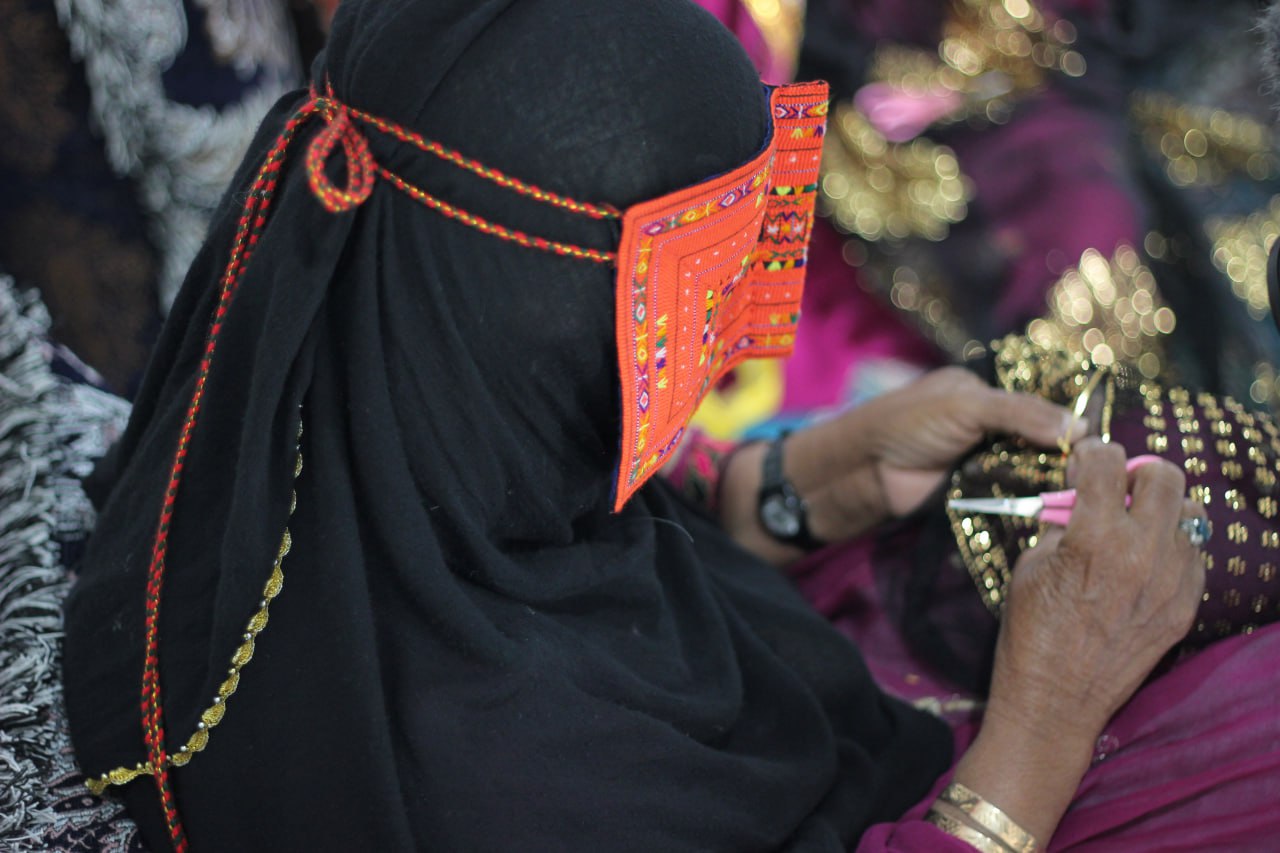
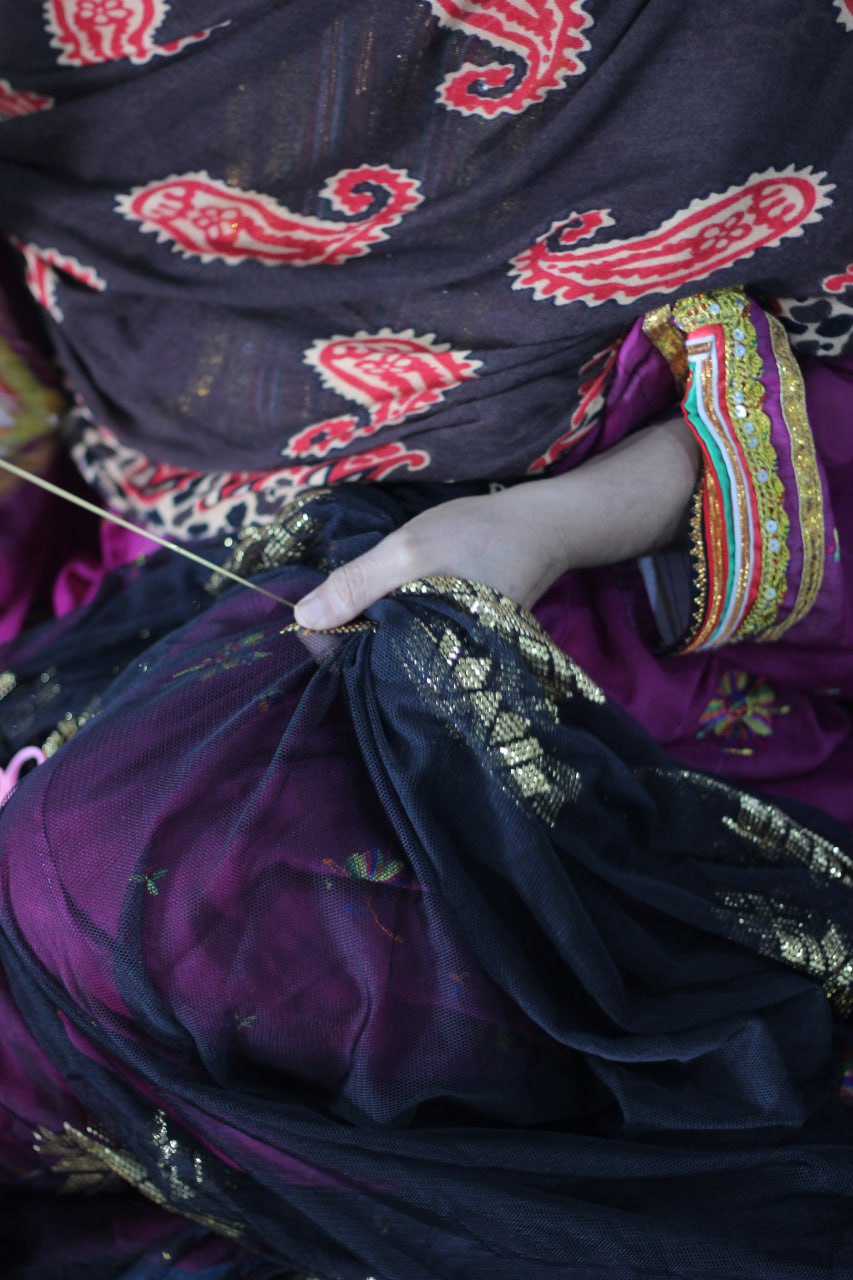
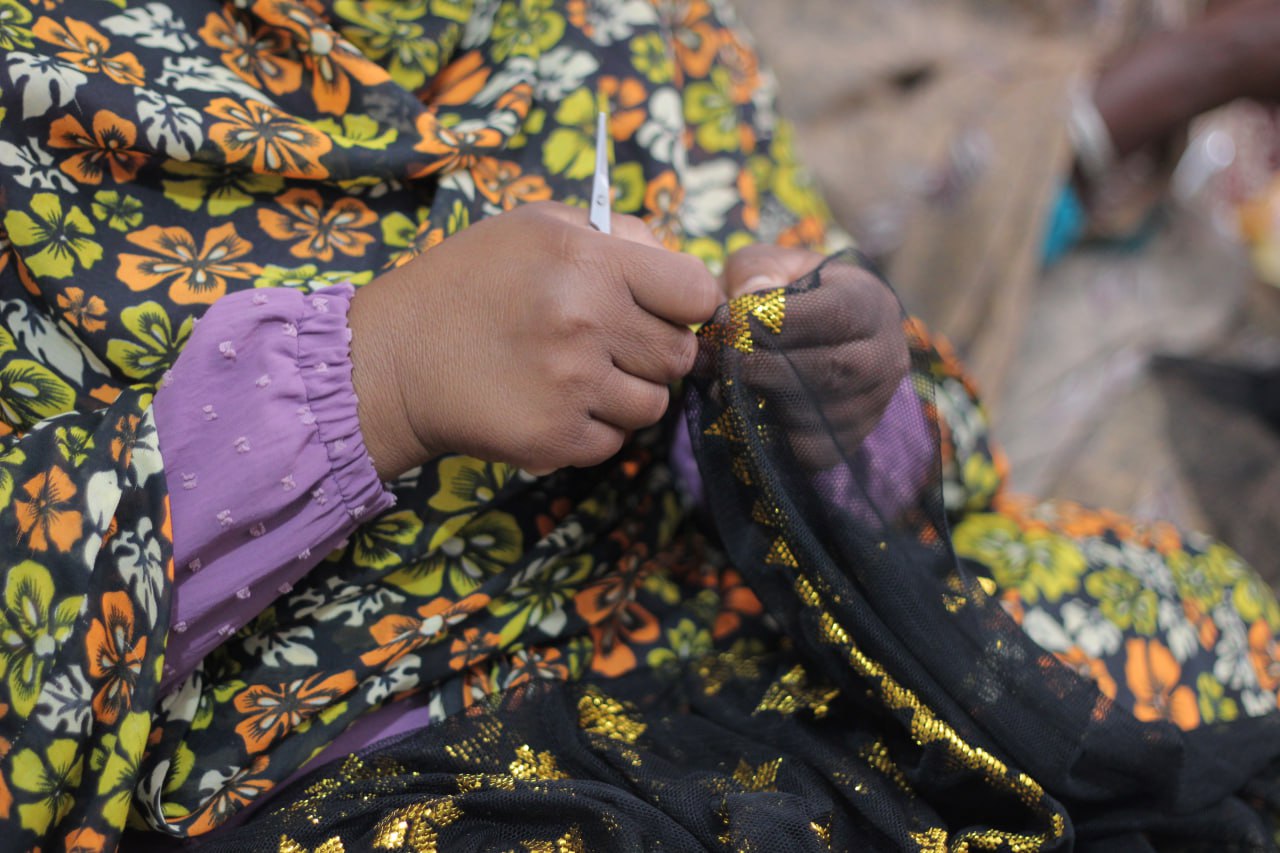
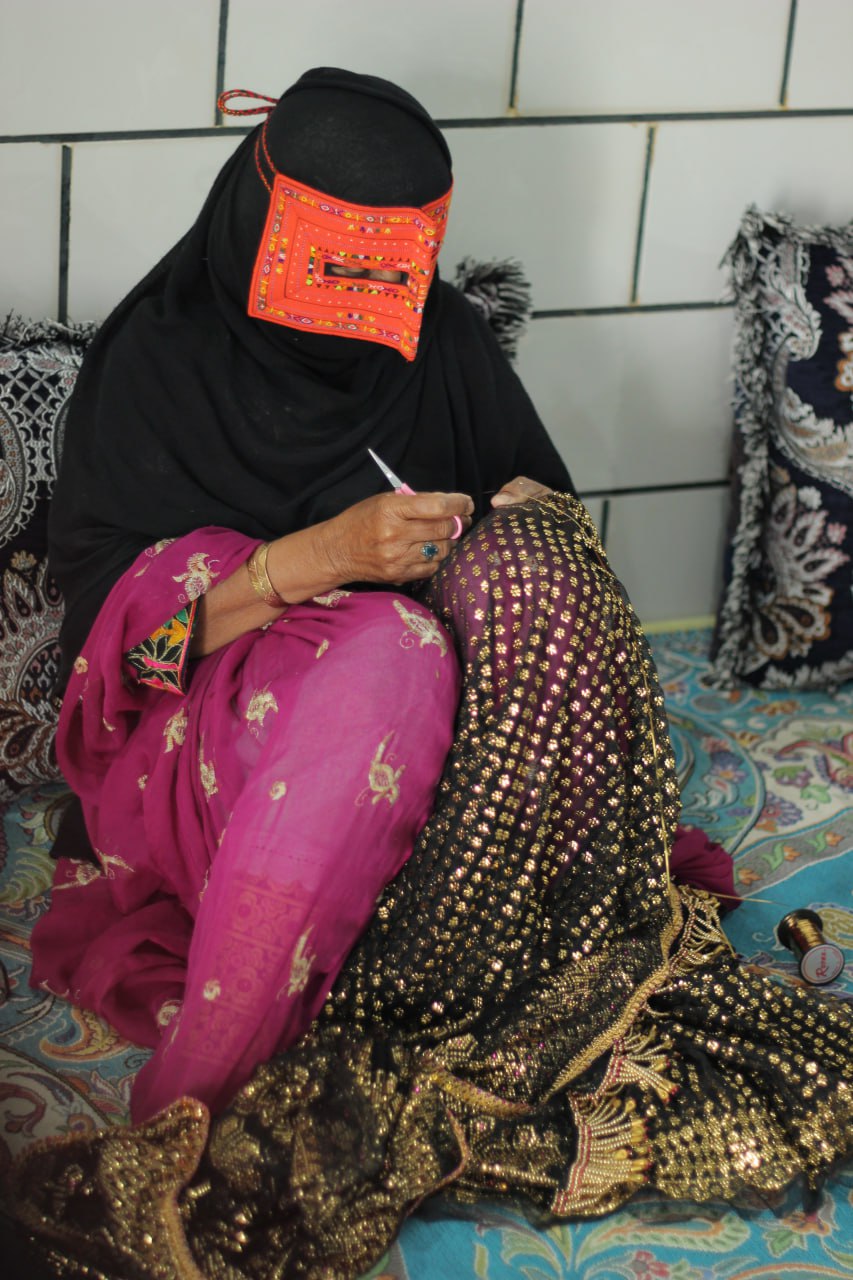
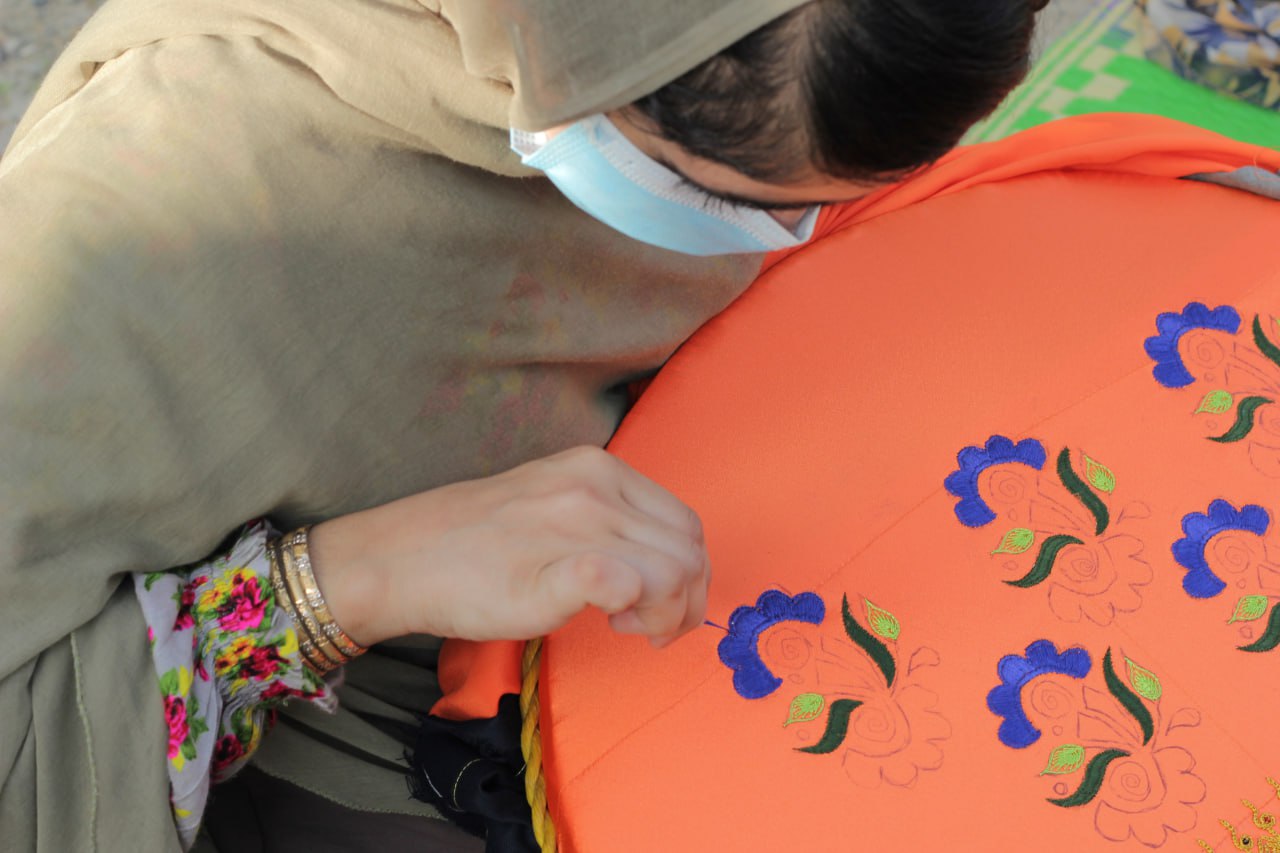
FARA was specifically developed to address the gradual disappearance of traditional textile techniques, with a particular focus on southern regions of Iran, where many forms of weaving and handmade textile production are at risk of being lost. Within the project’s workshops, elder women—carriers of ancestral knowledge—transmitted their skills to younger generations, creating an intergenerational exchange based on trust, continuity, and shared labor. In this context, heritage is not treated as something static or archival, but as a living practice capable of transformation.
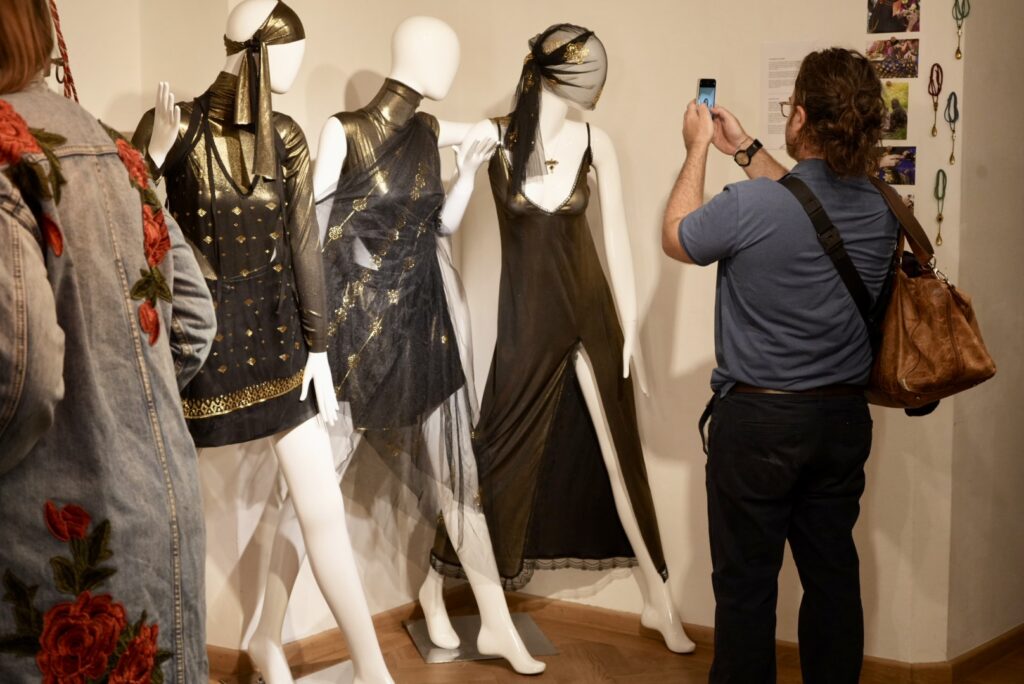
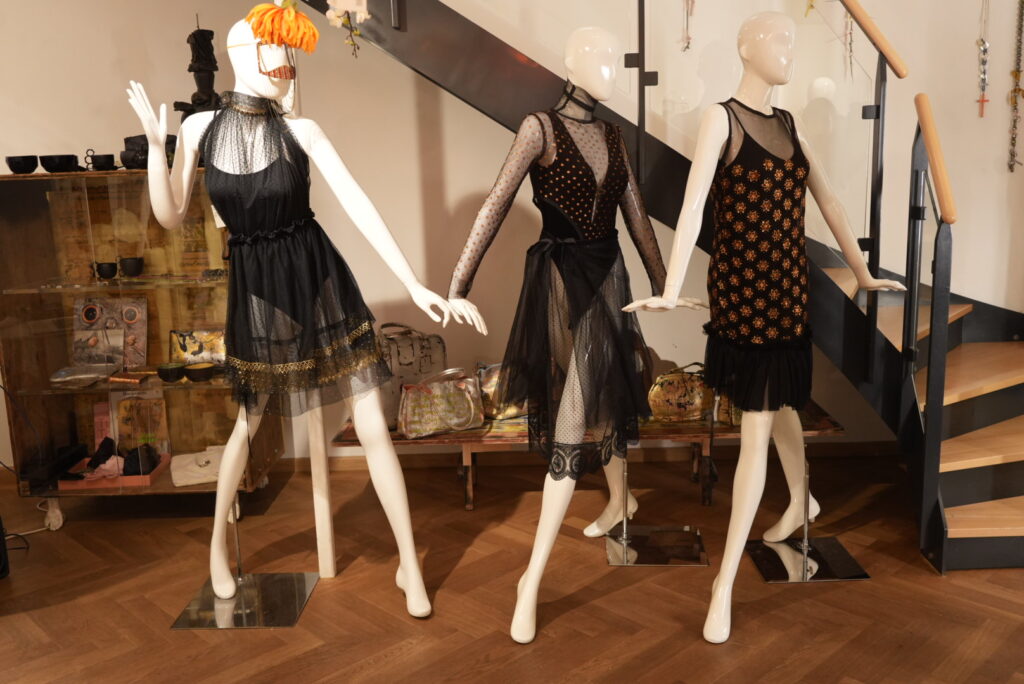
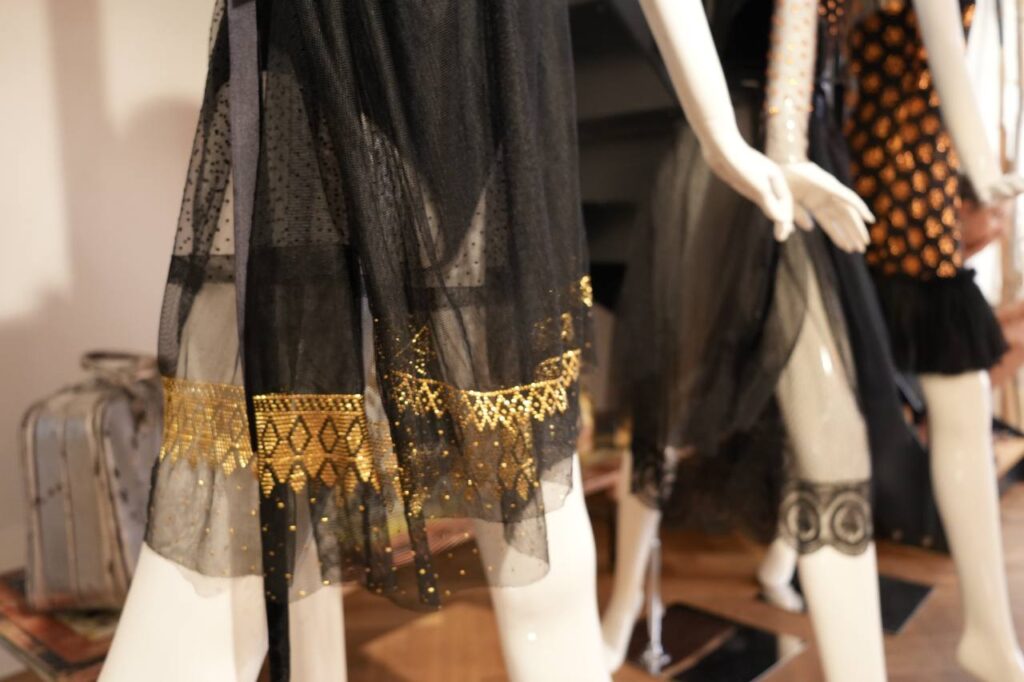
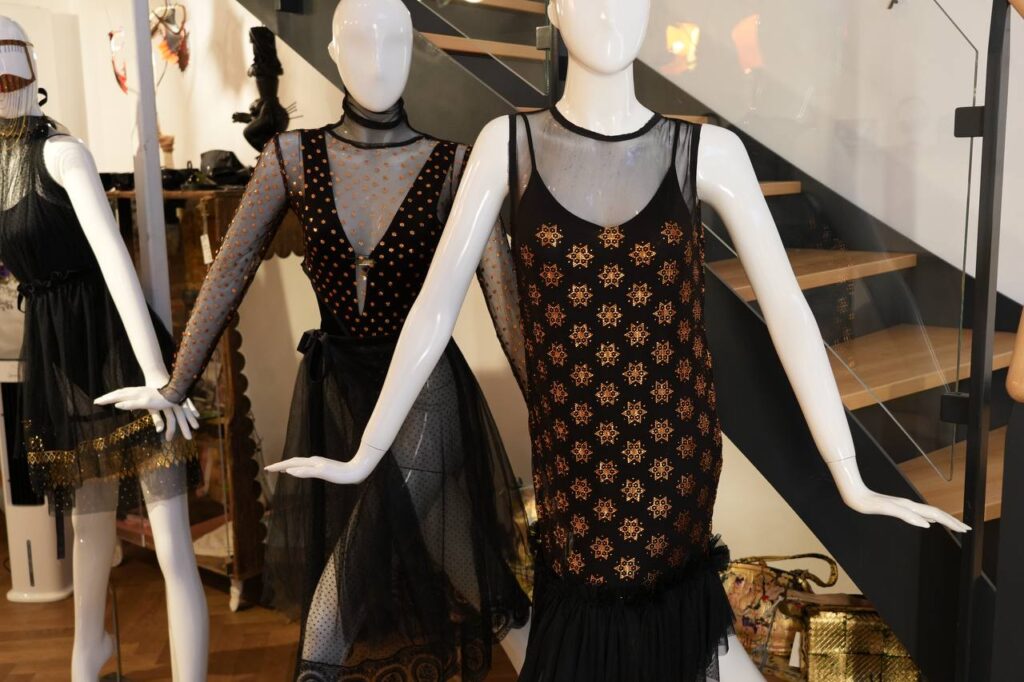
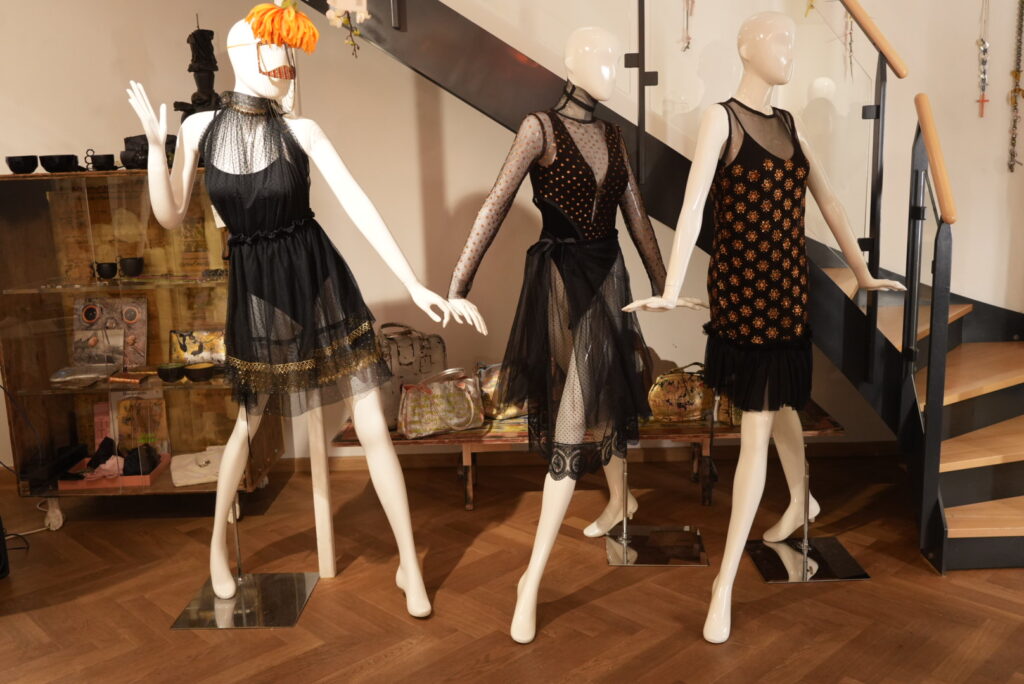
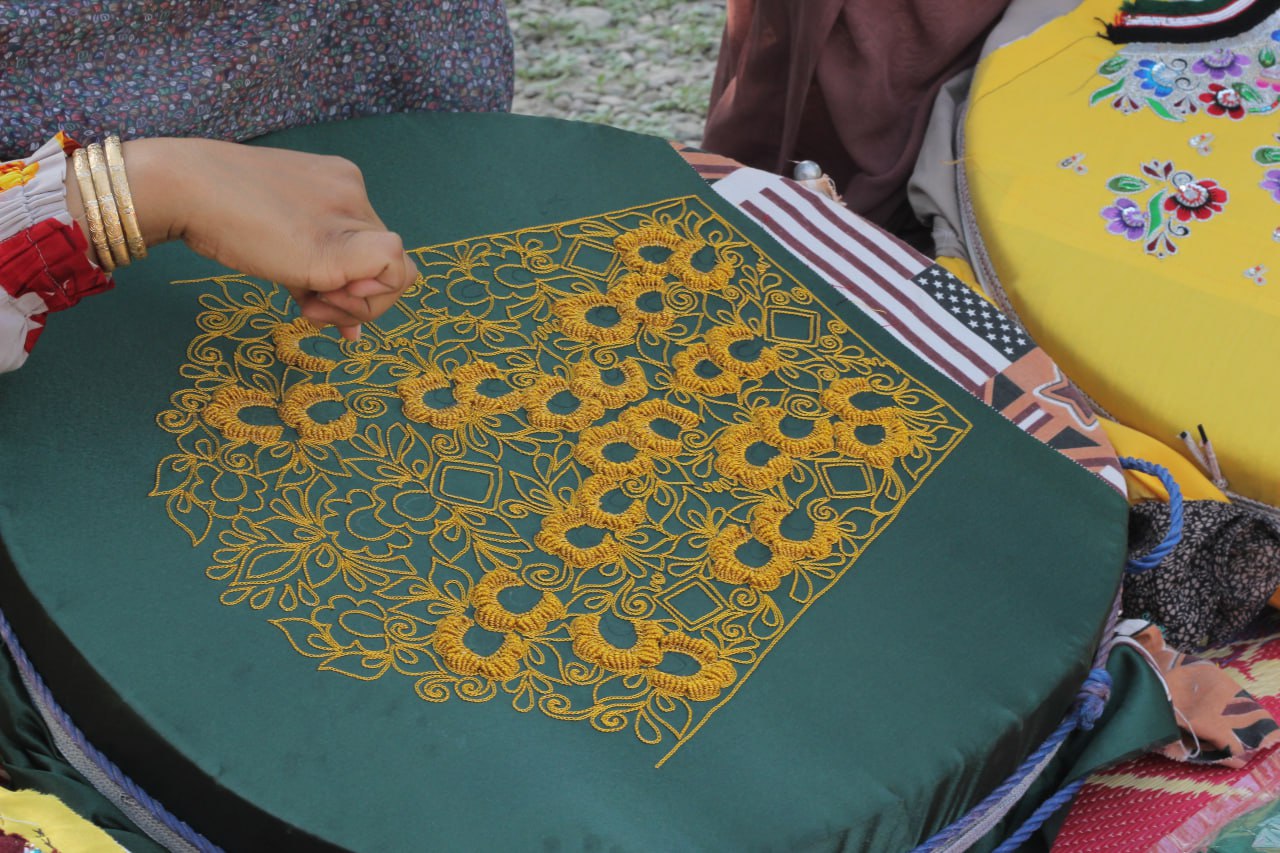
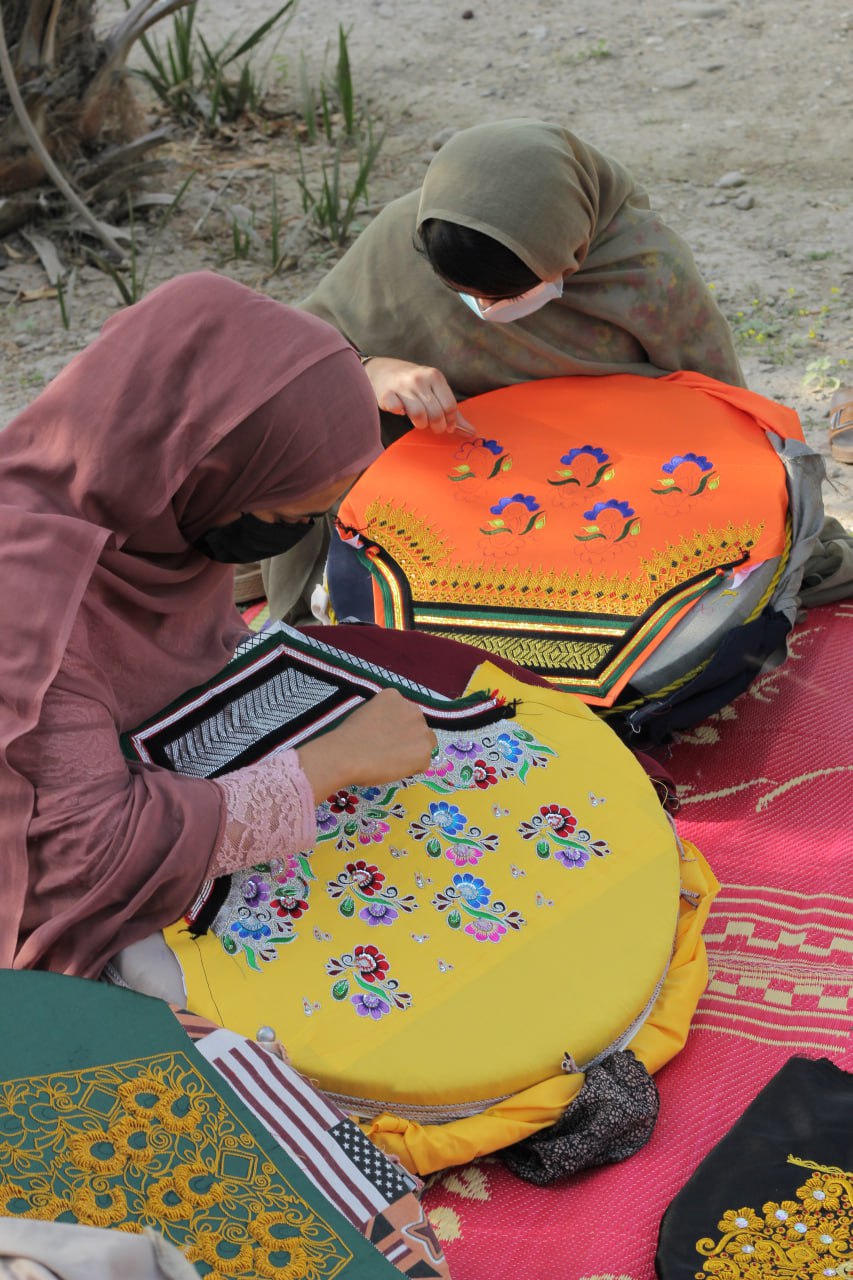
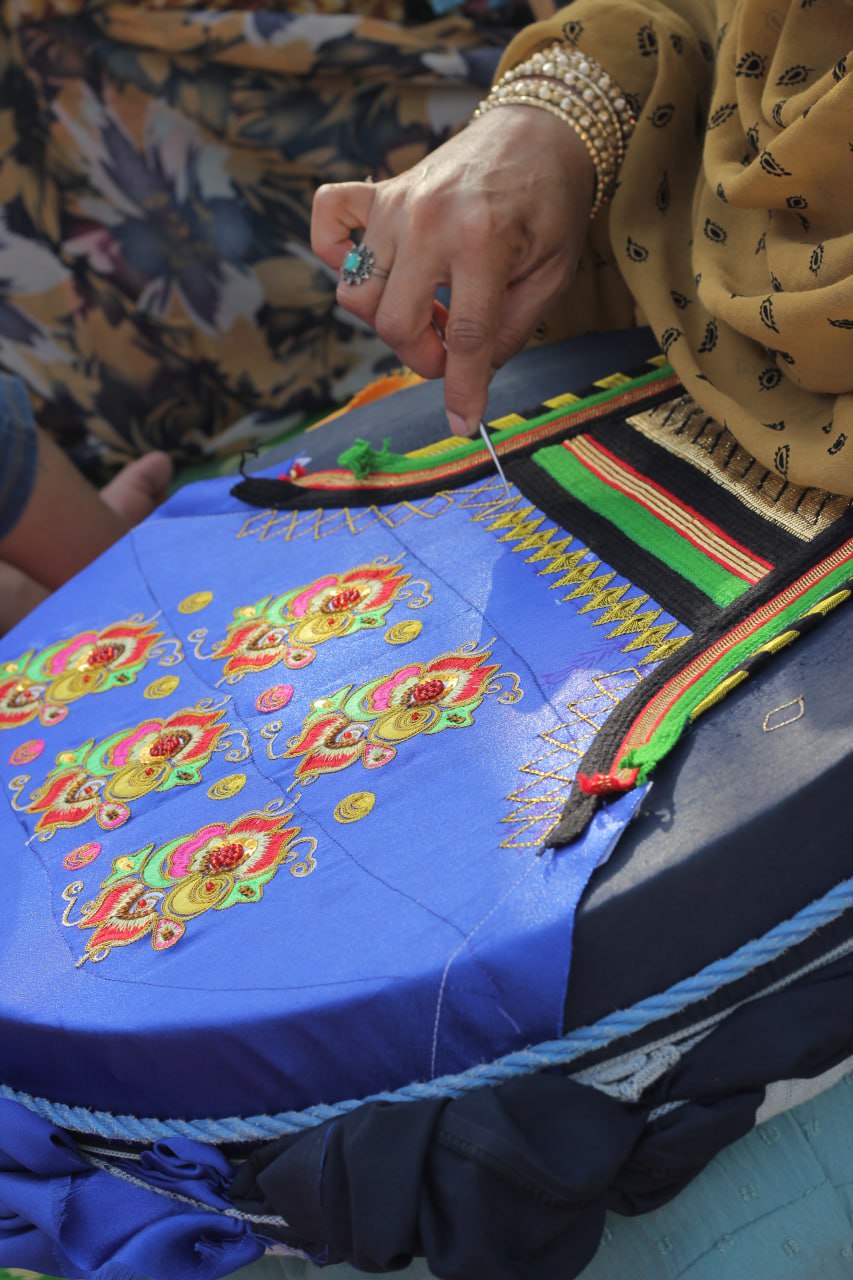
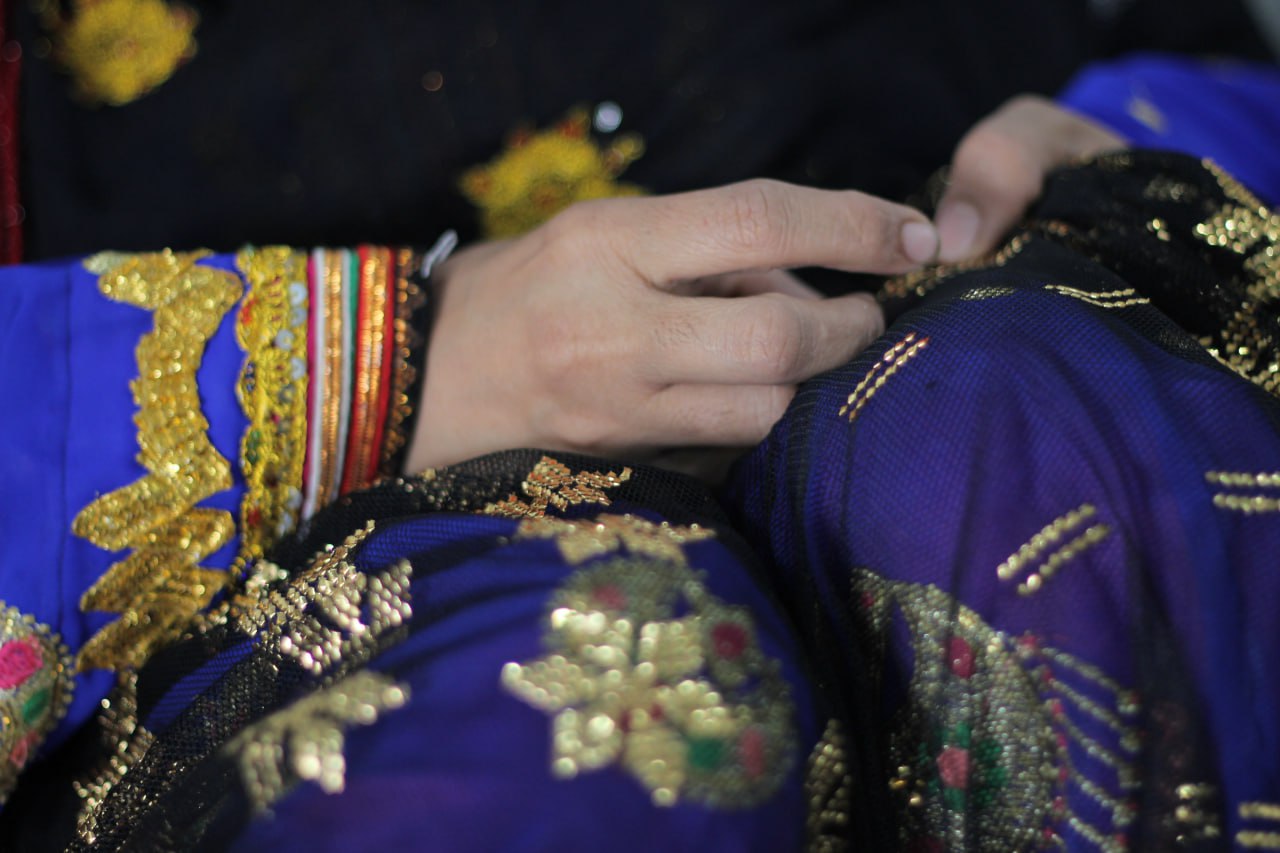
Through close collaboration, ancestral techniques—especially in weaving and handmade textiles—were reactivated and reimagined within a contemporary framework. The textiles produced in these workshops, which were traditionally used for local and ceremonial garments, became the material foundation for a series of contemporary fashion collections designed by the artist. Through a process of redesign, these fabrics were transformed into modern silhouettes, allowing them to move beyond their original regional use while retaining their cultural depth, memory, and identity.
The FARA Project aims to form active, self-sustaining groups of women in underserved communities by fostering education, confidence, and collective agency. The resulting designs are not only a celebration of women’s craftsmanship and artistry, but also function as portals—modern garments that carry stories, skills, and lived experiences across borders and cultures.
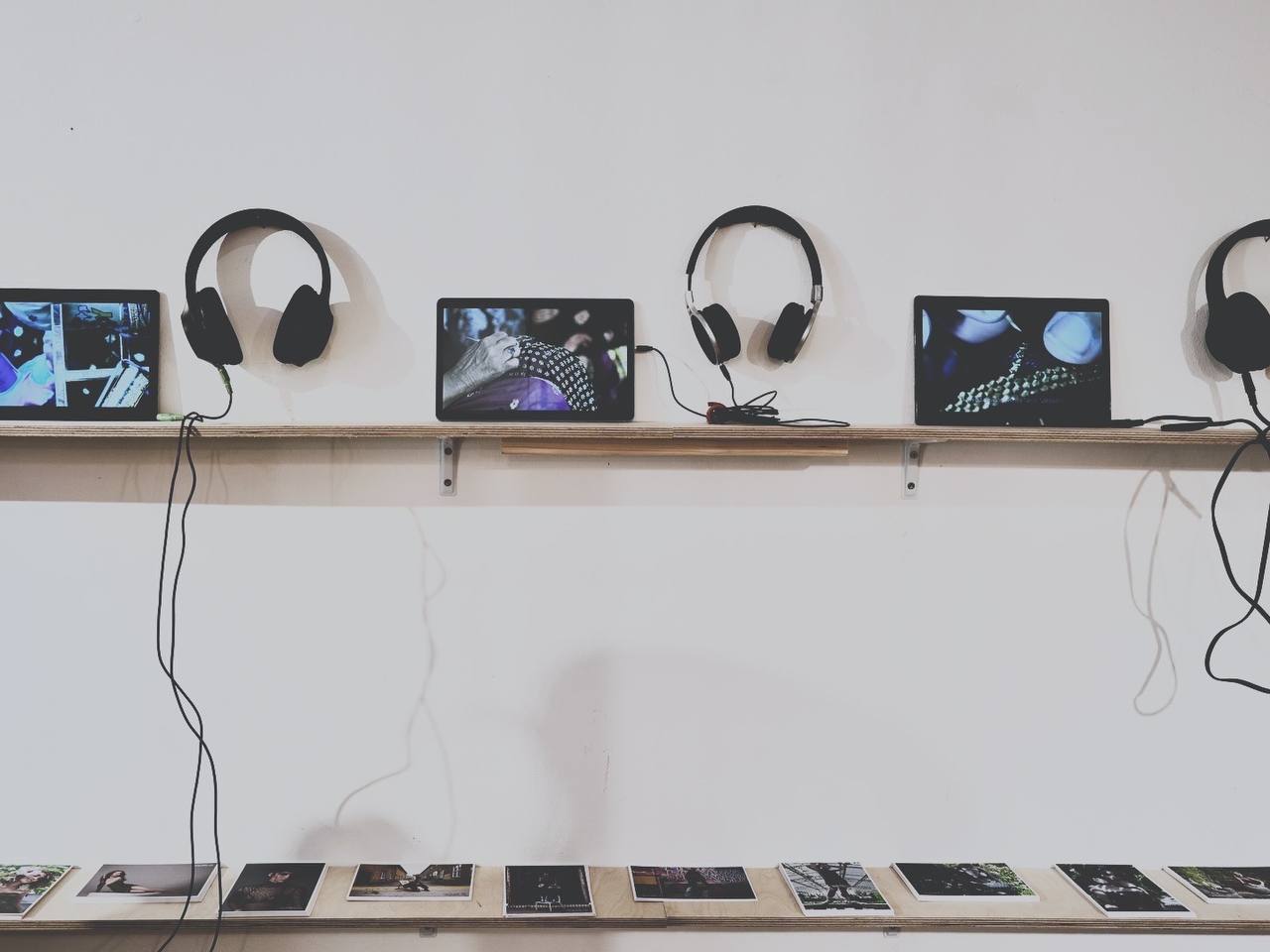
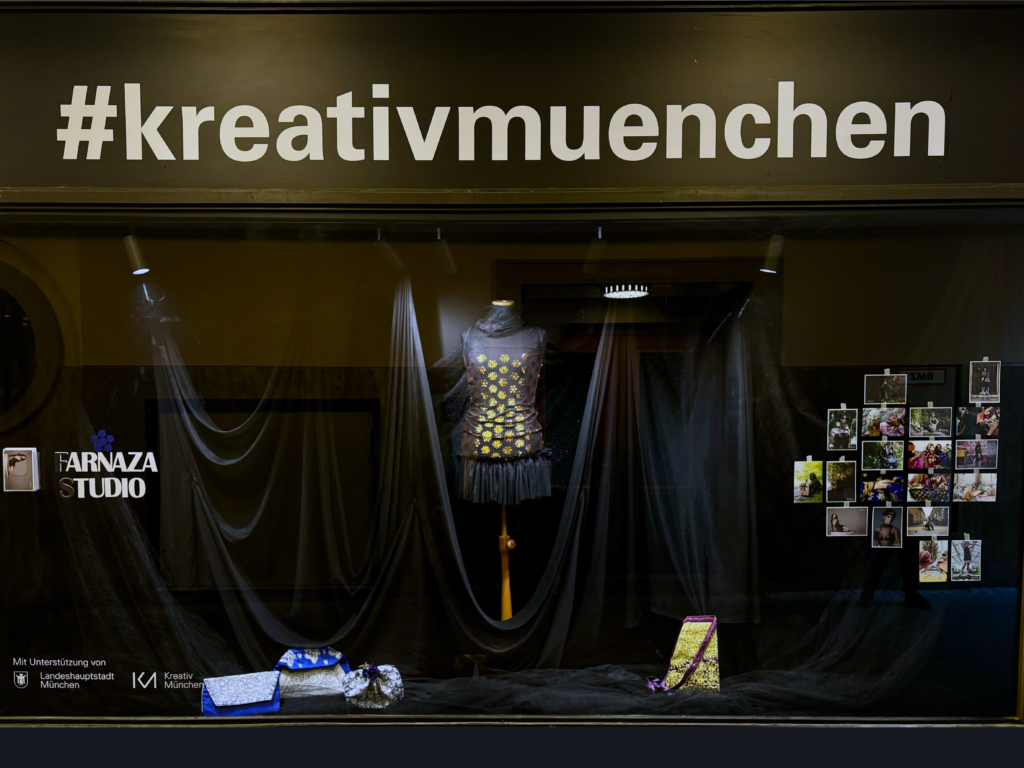
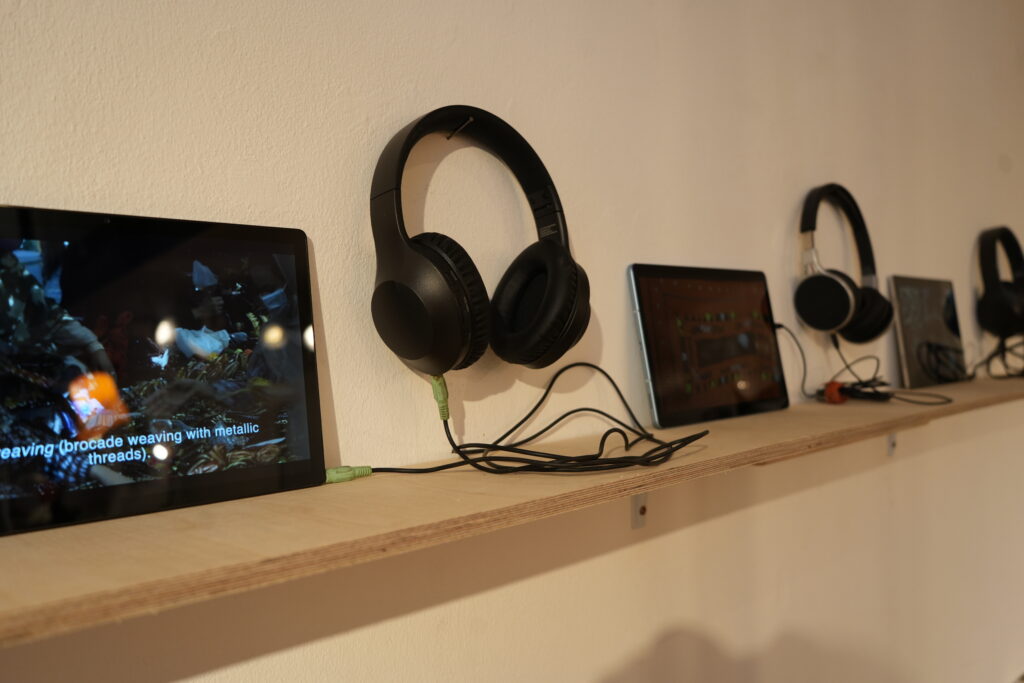
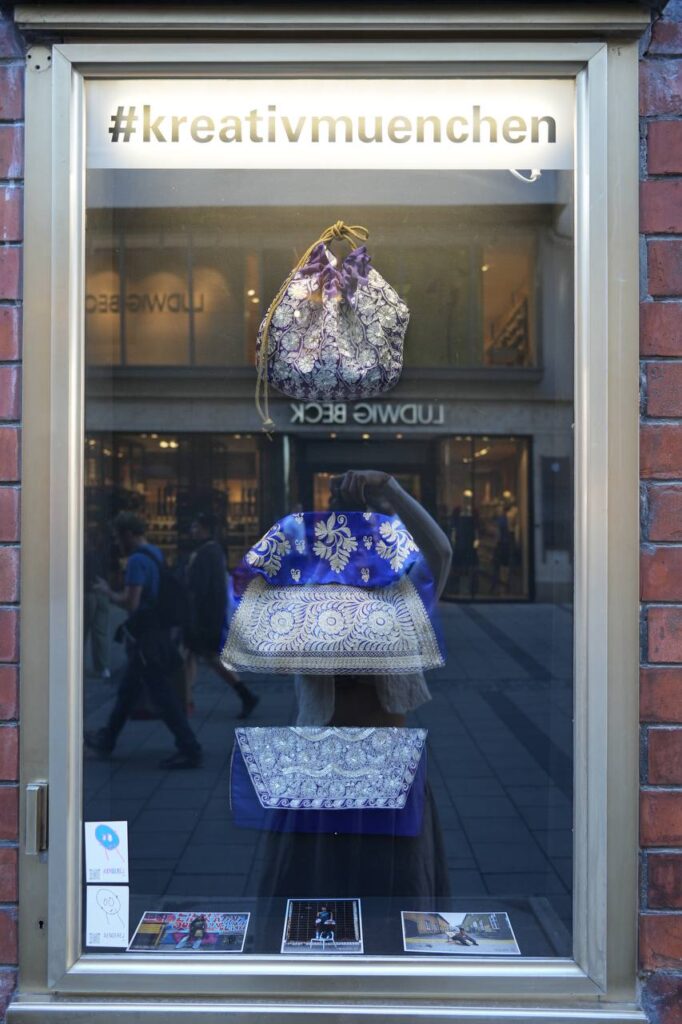
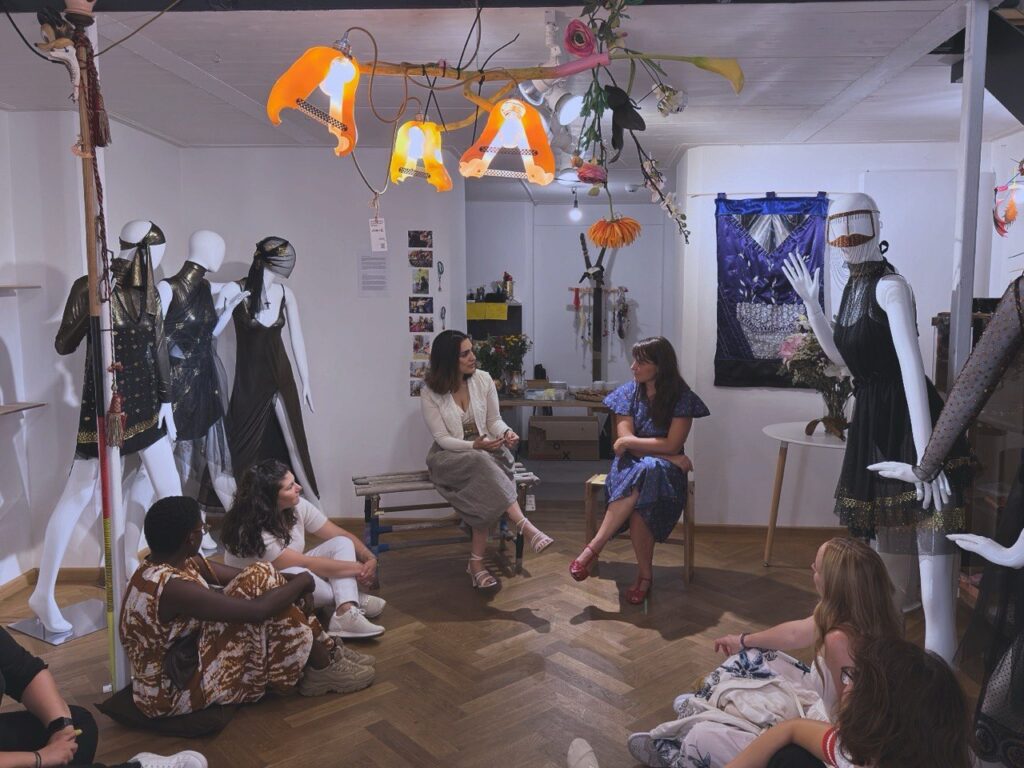
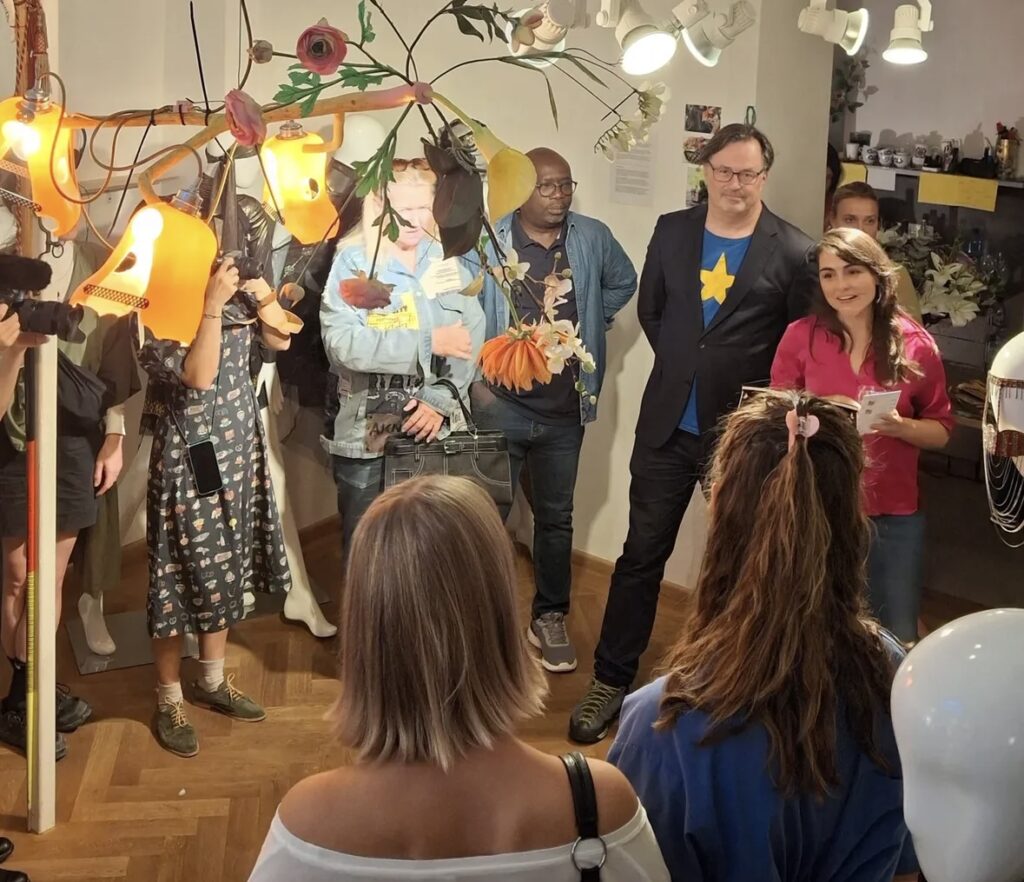
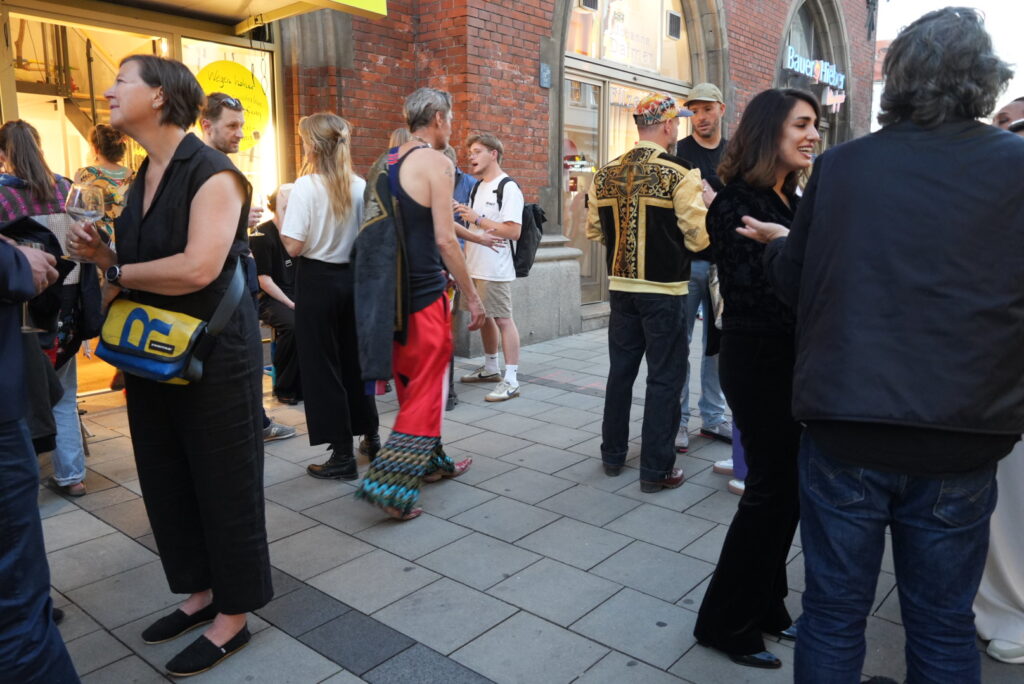
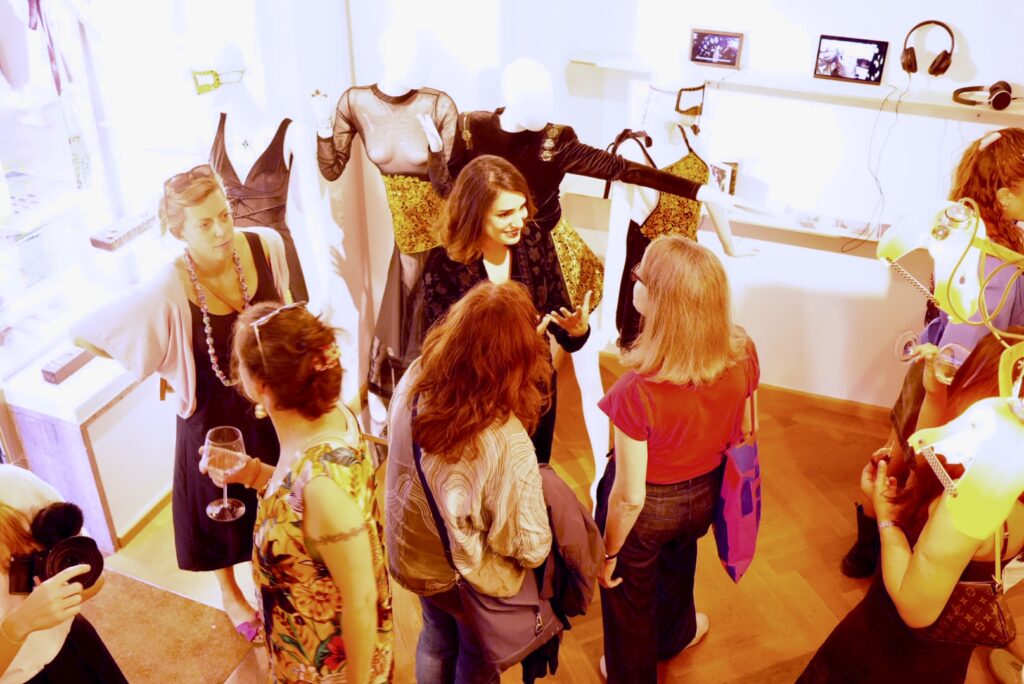
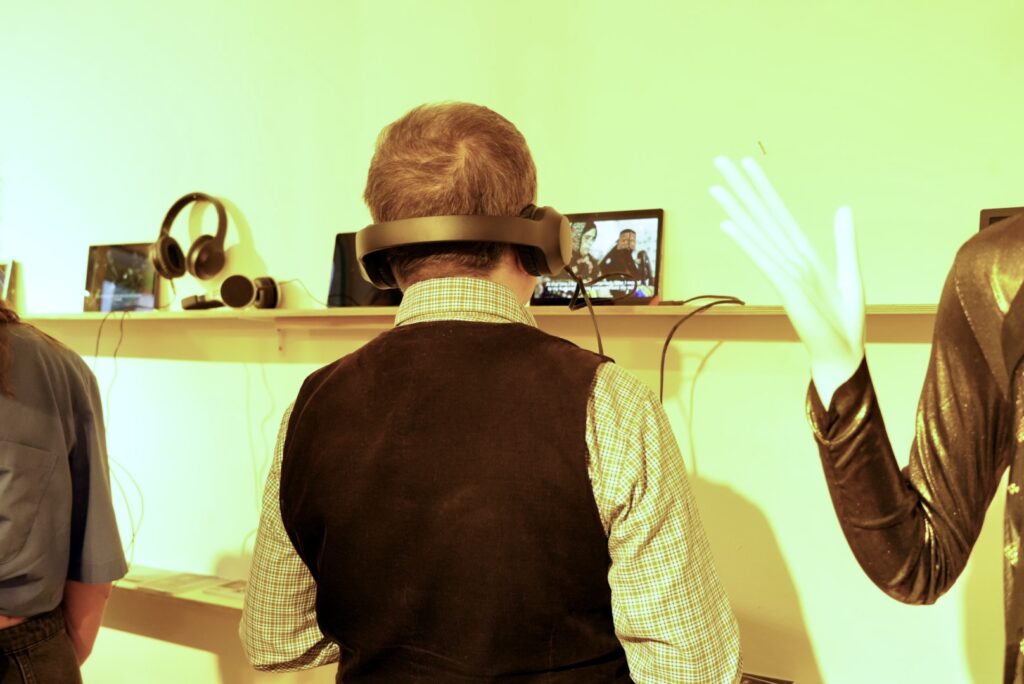
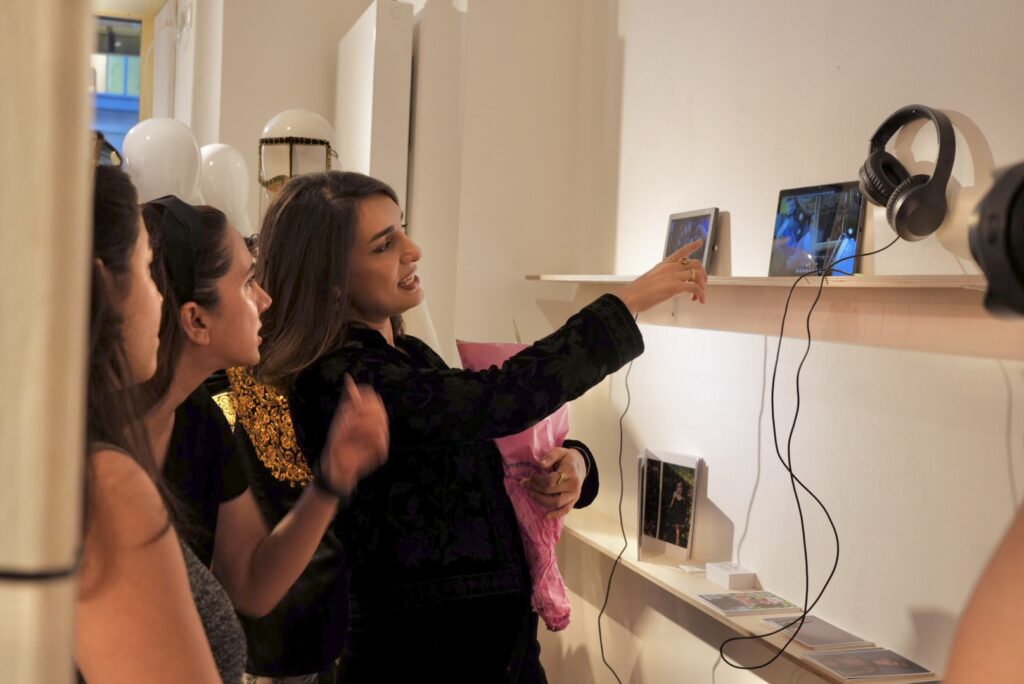
In September 2025, the redesigned collections were presented to the public in a pop-up store in Munich, Germany. Alongside the exhibition of the garments, a series of documentary films produced throughout the design and production process were screened. These films documented the women’s work, the transfer of knowledge between generations, and the transformation of raw materials into finished pieces, offering audiences insight into the social, cultural, and emotional layers behind the project.
Beyond economic empowerment, the FARA Project serves as a bridge between local traditions and global audiences, proposing new ways to see, wear, and engage with the living heritage of rural women. It transforms everyday materials into meaningful visual narratives—and clothing into a contemporary language for cultural storytelling, resilience, and collective memory.
To view the collections designed in inspiration from this project, please visit the Collections page: https://farnazabdoli.com/category/fashion-designing-style/